
Apparatus
Apparatus
The equipment in the Laboratory of Biomechanics is used daily for various projects focused on the biomechanical assessment of human movement. We make every effort to ensure that the Laboratory is equipped only with top-tier instruments, guaranteeing a high standard for the research conducted. All laboratory equipment is mobile, allowing us to carry out diverse types of studies—ranging from standard gait analysis and jumping to water sports.
BTS Smart 6000
marker-based
OpenCap
markes-less
Neuron
inertial
Noraxon
AMTI
force plates
FreeMED Sport
baropodometric mat
k-Force
portable
AXIS FV100k
dynamometry
HIMICRO B20
thermovision
software
motion capture
BTS Smart DX 6000
marker-based
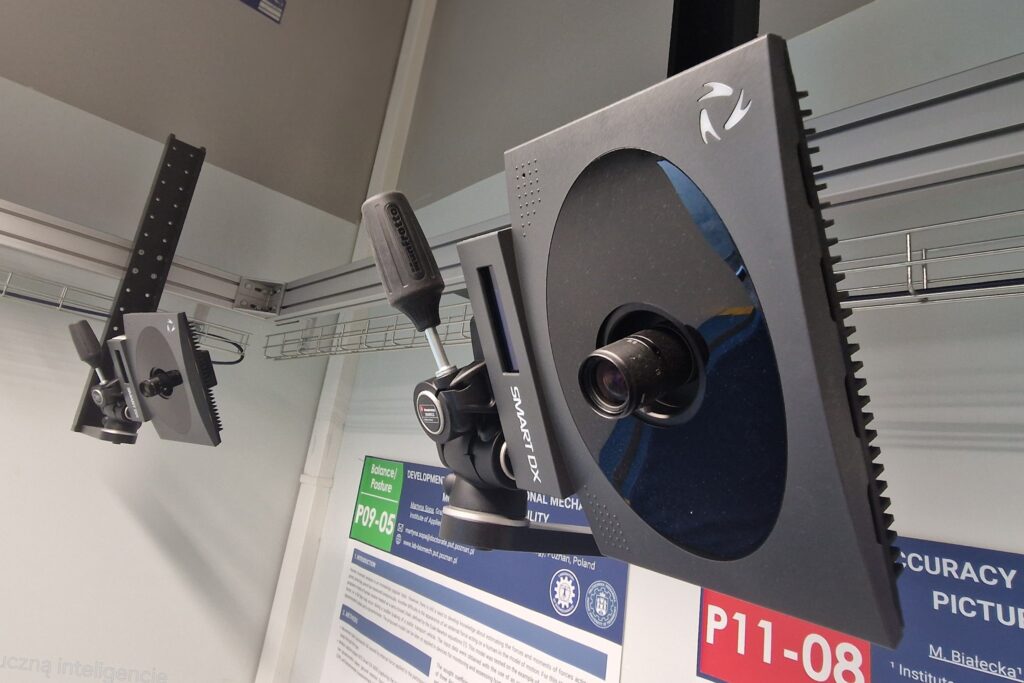
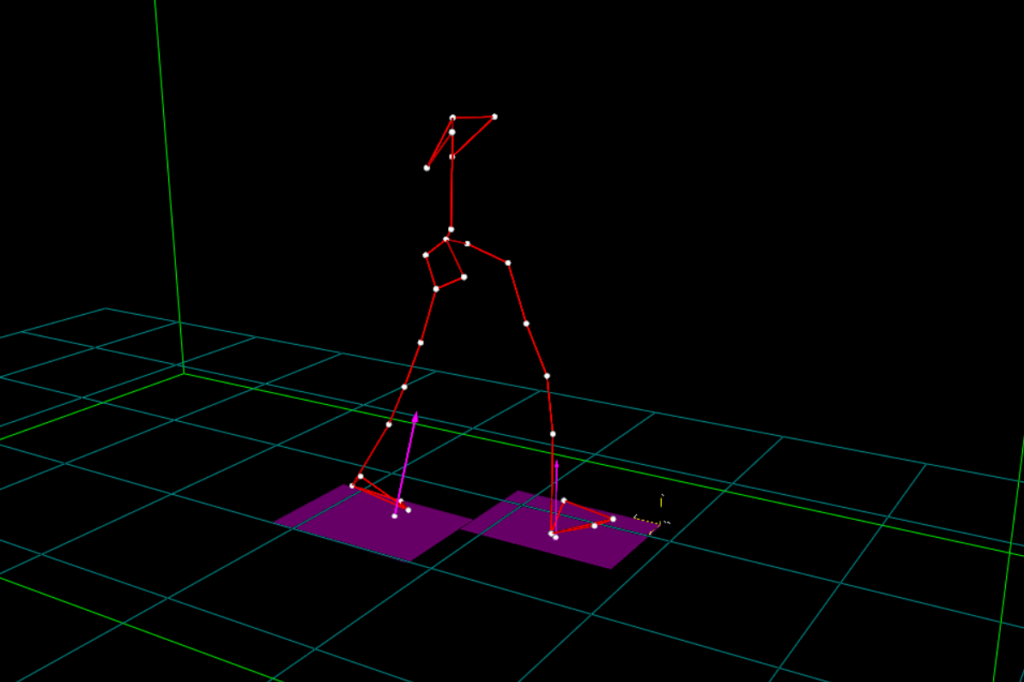
The BTS Smart DX 6000 system consists of 6 cameras that emit infrared radiation. This radiation is reflected from the surface of passive markers attached to the subject and is then recorded by the system. This allows the markers’ positions to be monitored in three-dimensional space. The cameras can operate at various frequencies, up to 500 Hz. The Smart system is complemented by applications that enable the processing and analysis of collected data. Furthermore, the system is enhanced by force plates and an electromyography kit for muscle activity assessment.
OpenCap
marker-less
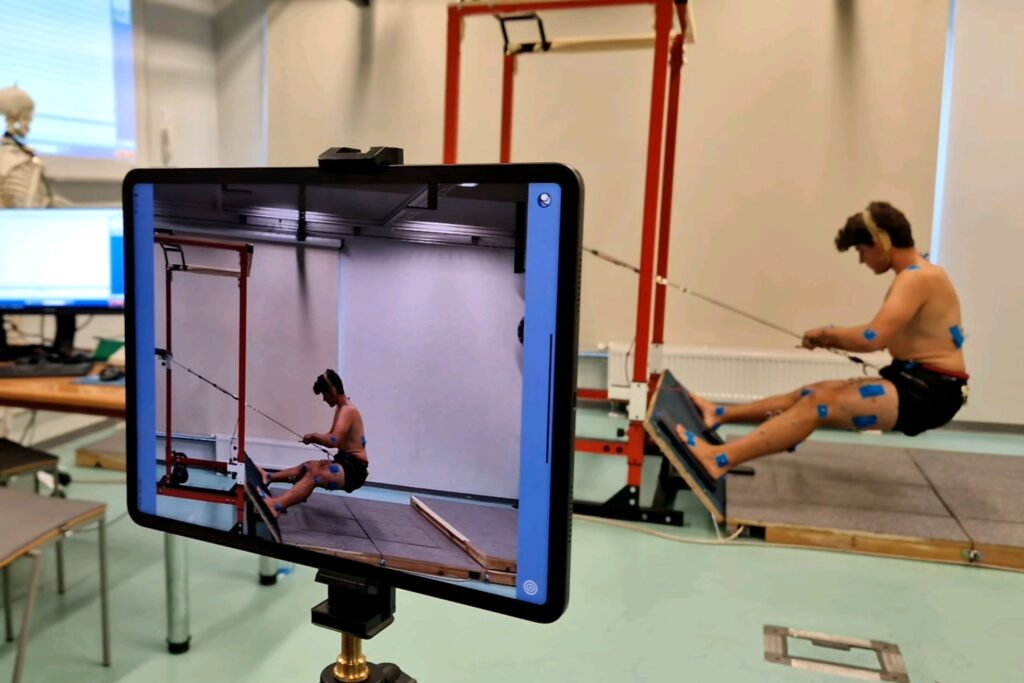
Markerless motion capture systems are the latest and still-evolving technology for movement monitoring. It is characterized by its simplicity of use—it does not require attaching markers or sensors to the subject, as movement is captured by standard cameras. The image is then analyzed by AI-based systems that independently identify the human silhouette and its motion. By using ordinary cameras for recording, this system is easy to set up anywhere. This enables research to be conducted outside the Laboratory of Biomechanics—in training halls, on sports fields, or in offices.
Percptron Neuron
inertial
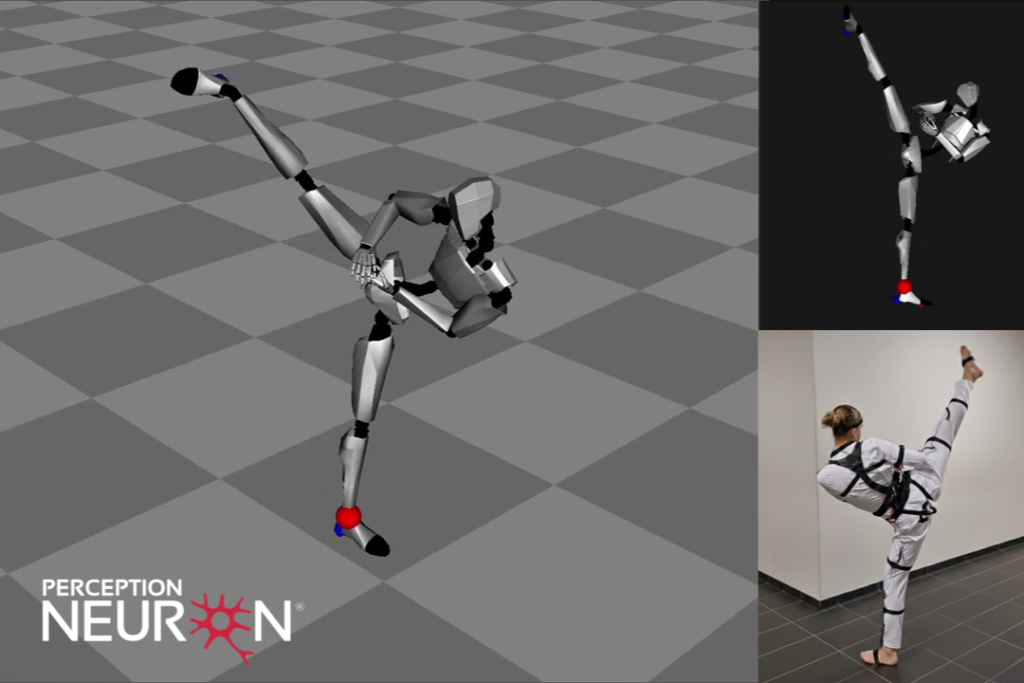
Inertial motion capture systems (IMU) differ significantly from marker-based and markerless systems because they do not use cameras. Body movement is monitored by a set of sensors worn on the subject’s body. Each sensor measures its position relative to the previous one. Due to the absence of cameras, this system is also well-suited for use in any location.
muscle electromyography
Noraxon
EMG
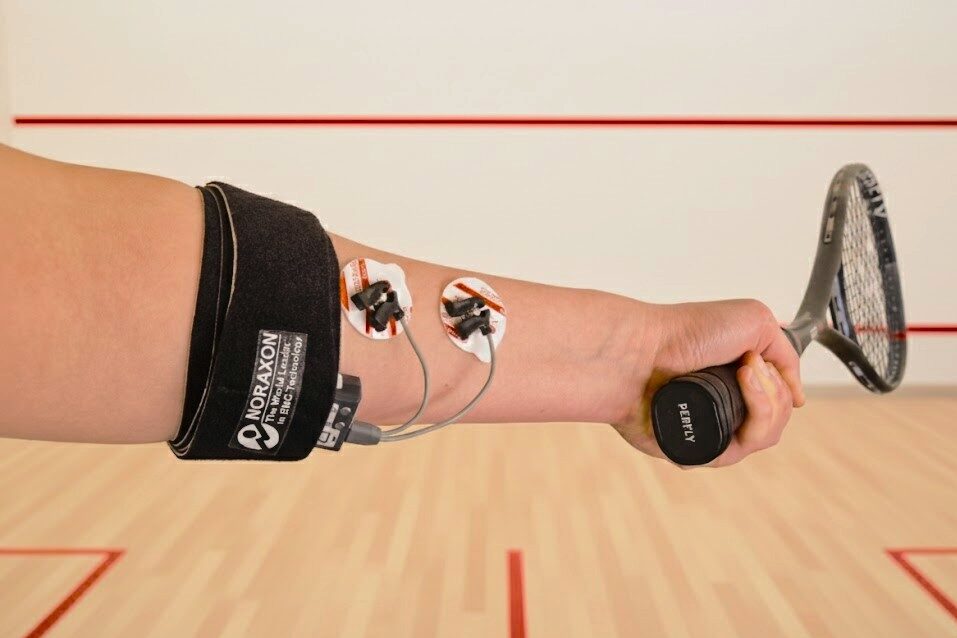
The EMG muscle signal acquisition and analysis system is an eight-channel surface EMG set. It consists of electrodes and transmitters that, when correctly placed on the subject’s body, record electrical impulses generated by the muscles. The equipment operates wirelessly via WiFi communication, ensuring freedom of movement during recording. The hardware is complemented by dedicated Noraxon software, which enables the acquisition, processing, and analysis of the EMG signal.
ground reaction
AMTI
force plates
AMTI force plates are extremely precise devices for measuring ground reaction forces (GRF) in all three directions and tracking the center of pressure (COP). Monitoring these values is very often used in conjunction with body motion analysis. In the Laboratory of Biomechanics, they primarily work with the BTS Smart system. The results they provide are precise and reliable, which is why their use is standard in applications such as gait analysis; however, they can be integrated into the analysis of many other movements.
freeMED Sport
baropodometric mat
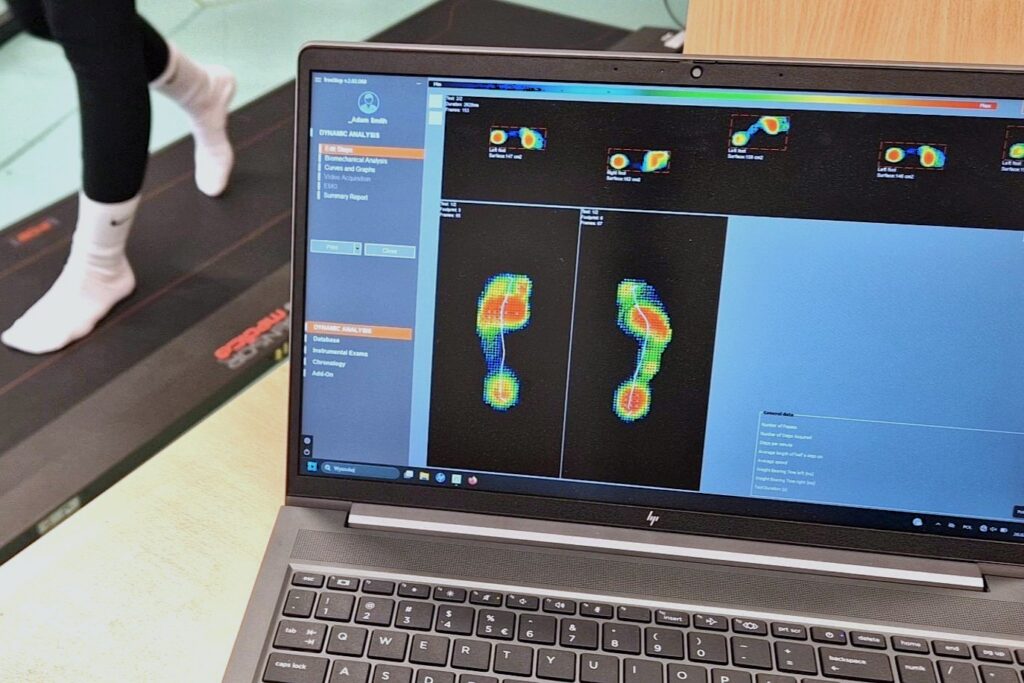
The freeMED platform is a mat with resistive sensors distributed across its entire surface. Each sensor independently provides data on the pressure and force exerted upon it, allowing for a pressure distribution map, ground reaction force, and the center of pressure (COP) to be obtained during the study. The mat is an ideal tool for conducting gait, running, and stability research.
K-FORCE Plates v3
portable force plates
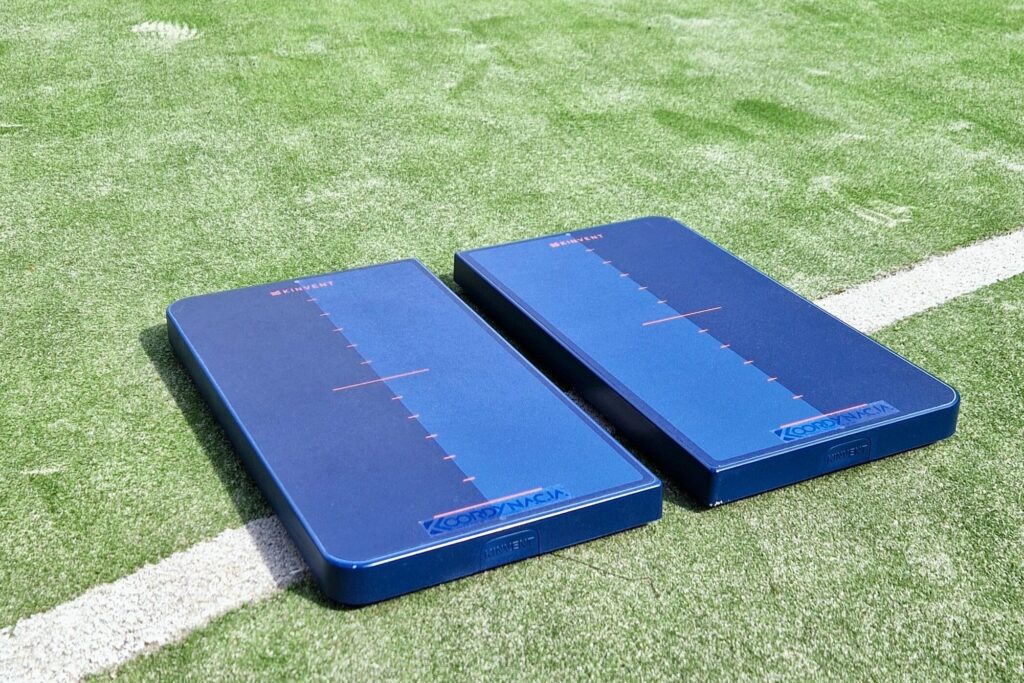
Two portable, wireless platforms designed to measure ground reaction forces (GRF) and the center of pressure (COP). They are ideal for assessing balance, proprioception, force symmetry, and rehabilitation. Thanks to their compact size, they enable research to be conducted outside the Laboratory of Biomechanics.
other
AXIS FC100k
dynamometer
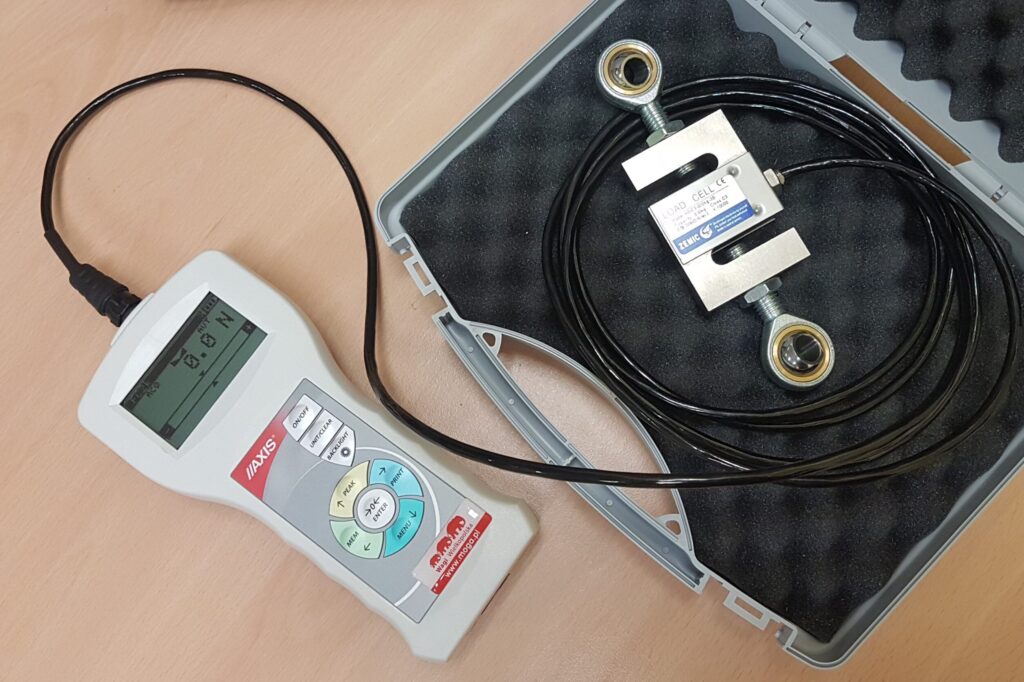
The AXIS dynamometer complements the equipment in the Laboratory of Biomechanics. In research, an external force is often used to set the body in motion. Therefore, to record it, we use the AXIS dynamometer, which allows for the registration of forces up to 100 kN, the force-time curve, and its maximum value. The dynamometer uses a Bluetooth connection for communication.
HIKIMICRO B20
thermal imaging camera
The portable handheld thermal imaging camera allows for the study of body temperature changes, for example, before and after exercise. It is an excellent enhancement, especially in muscle activity research using EMG.
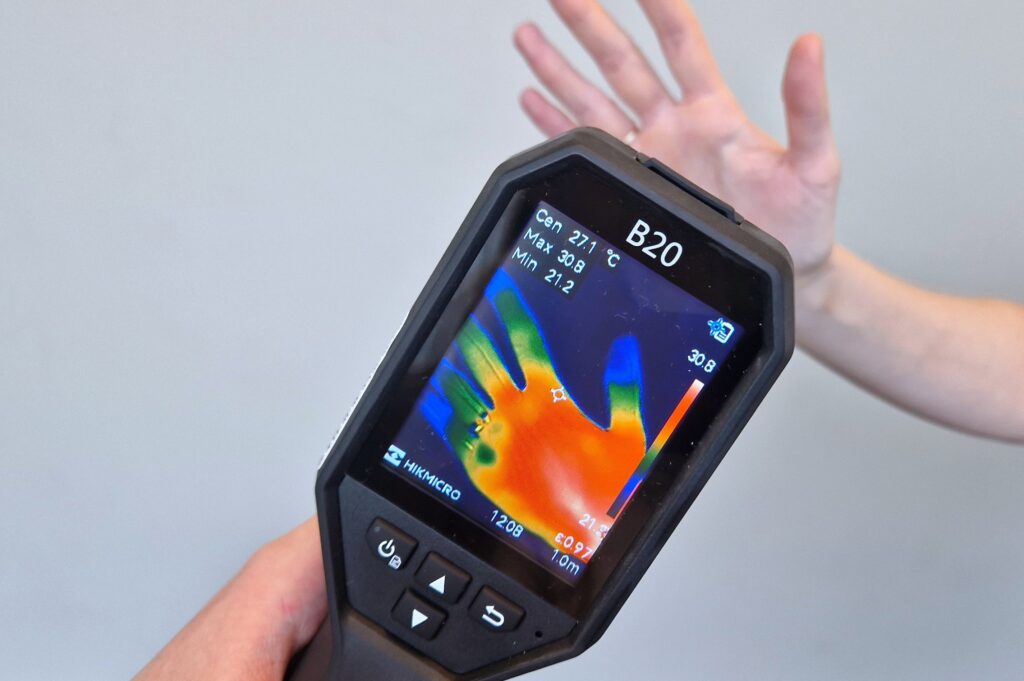
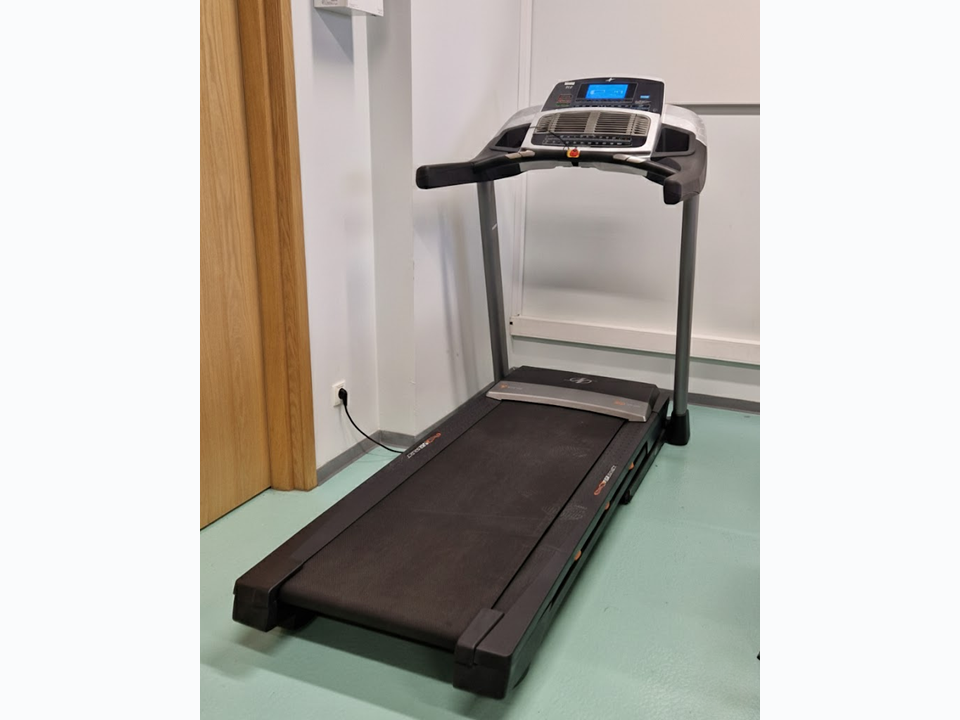
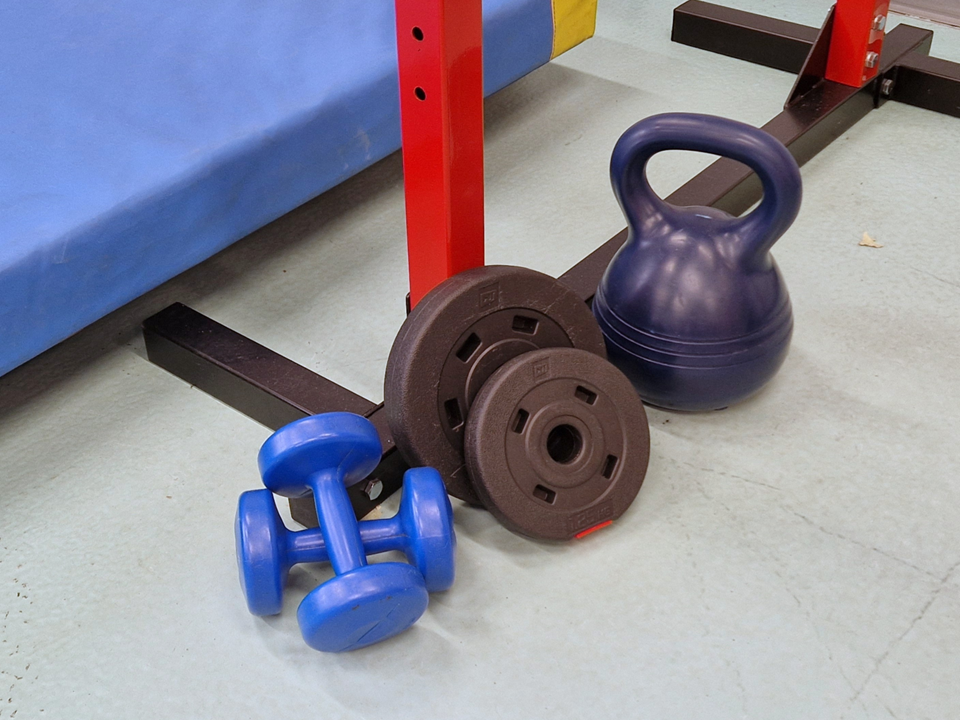
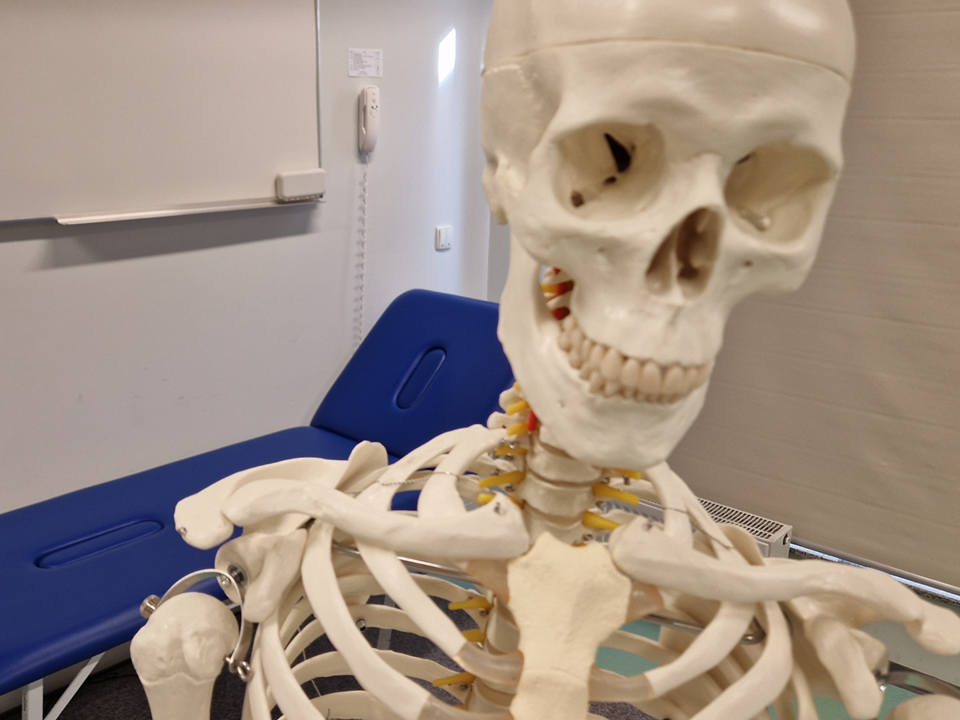
additional equipment
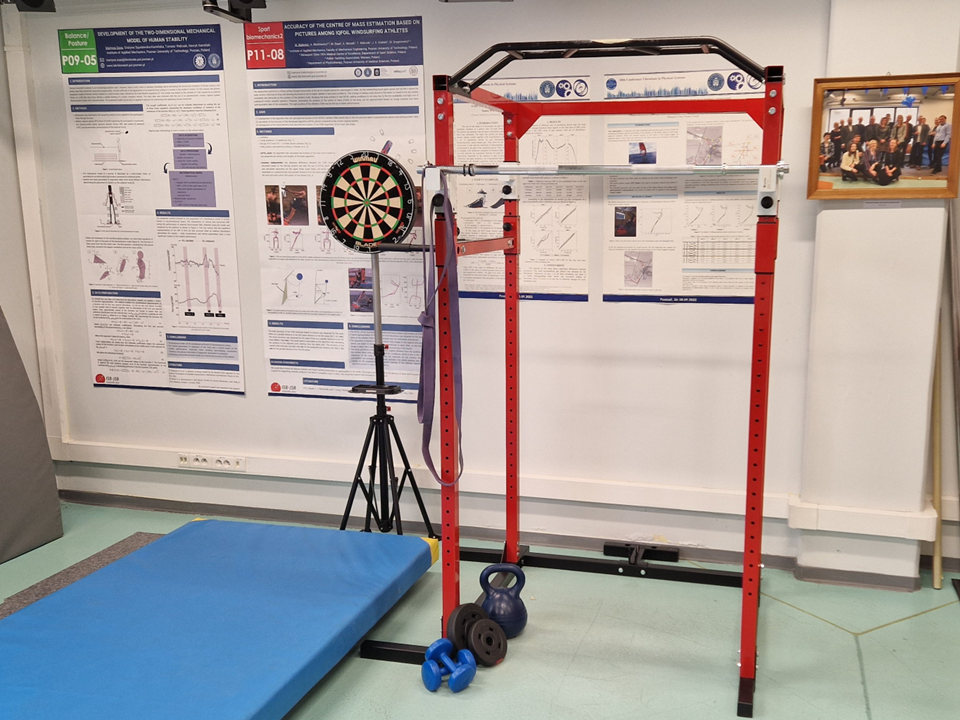
The Laboratory of Biomechanics contains various small sports equipment, such as a strength training cage, mats, a treadmill, and many others. Thanks to a well-equipped workspace, we can conduct research on various sports disciplines and exercises. The educational role that the Laboratory plays at the Poznan University of Technology requires it to include elements of an anatomical laboratory.
software
Advanced motion analysis requires the use of modern computational software. Our knowledge base is constantly expanding with new software that allows us to work freely with the obtained data and create statements, coaching reports, scientific publications, and dissertations.